Rebecca Carballo and Bianca Quilantan
Politico
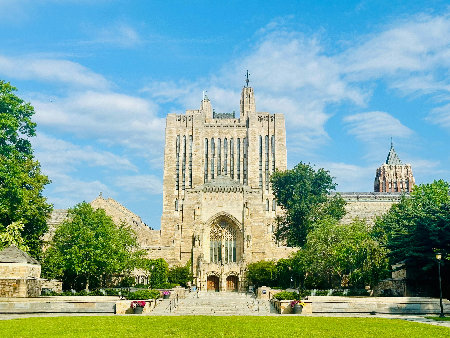
The Education Department is asking university leaders to publicly commit to a series of institutional changes, many of which are in line with the Trump administration’s higher education agenda, by the end of the year.
The agency’s Monday letter asks these leaders to address grade inflation, improve transparency about the costs of attending their schools and curb foreign donations. It also asks them to hire faculty of “all relevant perspectives,” with the Trump administration previously arguing schools are too left leaning and suppress conservative voices. The letter contains some similarities to the college compact the administration sent to a select group of universities last fall, none of which agreed to sign it.
Comments will be approved before showing up.
There is an important lawsuit being litigated in the Southern District of New York over the limits of free speech and academic freedom for faculty at the United States Military Academy at West Point. Professor Tim Bakken, West Point’s longest-serving civilian law professor, is challenging new Trump Administration regulations that allegedly constitute unconstitutional prior restraints on academic publications and limit academic freedom and free speech.
The Report, and the follow-up disciplinary reports now being issued, raise uncomfortable questions for professors and for university leaders alike. Are there limits to professors’ freedom to conduct research and teach courses however they think best? Do university leaders dare intervene if scholarship becomes excessively politicized?
U.S. colleges are increasingly eliminating or narrowing restrictive speech codes, continuing an encouraging trend that reflects a greater commitment to free expression on American campuses, a new study finds.